


-

Add: HeBei ShengShi HongBang Cellulose Technology CO.,LTD.
-

Email
13180486930@163.com -

CONTACT US
+86 13180486930



polypropylene fiber, pp fiber, pp fiber concrete, microfiber synthetic, polypropylene fibre is a key solution in the manufacturing industry, specifically within Manufacturing of building materials and Concrete admixture. This article explores how HeBei ShengShi HongBang Cellulose Technology CO.,LTD. supports professionals with durable, high-performance products, and explains why this product is an ideal choice for businesses in these sectors. Table of Contents polypropylene fiber,pp fiber,pp fiber concrete,microfiber synthetic,polypropylene fibre Overview Benefits & Use Cases of polypropylene fiber,pp fiber,pp fiber concrete,microfiber synthetic,polypropylene fibre in Concrete admixture Cost, Maintenance & User Experience Sustainability & Market Trends in manufacturing Conclusion on polypropylene fiber,pp fiber,pp fiber concrete,microfiber synthetic,polypropylene fibre from HeBei ShengShi HongBang Cellulose Technology CO.,LTD. polypropylene fiber,pp fiber,pp fiber concrete,microfiber synthetic,polypropylene fibre Overview Polypropylene fiber (often called pp fiber) is a high-performance, chemically inert micro reinforcement added to cementitious materials to mitigate early-age cracking and enhance durability. In pp fiber concrete, these microfiber synthetic strands distribute throughout the matrix to control plastic shrinkage, improve impact resistance, and increase toughness without corroding. Typical technical characteristics include a specific gravity near 0.91, melting point around 160–170°C, negligible water absorption, and excellent alkali resistance—attributes that make polypropylene fibre ideal for harsh cement environments. Common micro grades range from approximately 3–19 mm in length with diameters in the micron scale; tensile strengths frequently fall in the hundreds of MPa with moduli in the low GPa range, delivering crack control at low dosages. HeBei ShengShi HongBang Cellulose Technology CO.,LTD. manufactures consistent, clean-cut pp fiber engineered for uniform dispersion in mortar and concrete. With controlled fiber geometry, surface treatment for better wetting, and strict quality assurance, the company helps project teams achieve reliable performance from batch to batch across demanding construction and precast applications. Benefits & Use Cases of polypropylene fiber,pp fiber,pp fiber concrete,microfiber synthetic,polypropylene fibre in Concrete admixture In Concrete admixture formulations, pp fiber concrete is widely used to reduce plastic shrinkage cracking in slabs-on-grade, industrial floors, screeds, overlays, shotcrete, and precast elements. Microfiber synthetic reinforcement helps restrain early-age movement, reduces bleeding and settlement, and supports better surface integrity. Because polypropylene fiber is non-corrosive and chemically stable, it maintains performance in alkaline pore solutions and aggressive environments where steel micro-reinforcement or wire mesh might corrode. Compared with traditional crack-control methods, pp fiber can cut labor and placement complexity, improving jobsite productivity. It disperses rapidly in ready-mix trucks or mixers and is compatible with most water-reducers, superplasticizers, and supplementary cementitious materials. HeBei ShengShi HongBang Cellulose Technology CO.,LTD. brings deep category expertise, advising on fiber length, dosage, and mixing protocols tailored to specific elements—slab thicknesses, ambient conditions, or shotcrete rebound concerns—so specifiers and contractors can realize consistent finishes and fewer callbacks while meeting project specifications. Cost, Maintenance & User Experience Total cost of ownership improves when pp fiber replaces or reduces conventional crack-control measures such as welded wire mesh in non-structural applications. The incremental material cost per cubic meter is typically modest, while time savings from simpler placement and reduced labor can be significant. By limiting early-age cracking, polypropylene fibre helps avoid patching, joint edge spalling, and premature surface repairs—key drivers of lifecycle maintenance costs in the Manufacturing of building materials sector. Contractors and ready-mix producers report smoother finishing, improved edge stability, and fewer early-age defects when properly dosed and mixed. Field experience and industry studies frequently show substantial reductions in visible plastic-shrinkage cracking when microfiber synthetic is used under hot, windy, or low-humidity conditions. HeBei ShengShi HongBang Cellulose Technology CO.,LTD. supports users with application guidance, recommended dosages, and quality documentation, helping B2B decision makers validate ROI through fewer defects, tighter schedules, and enhanced owner satisfaction. Sustainability & Market Trends in manufacturing As the construction value chain accelerates toward low-carbon, durable designs, pp fiber concrete aligns with sustainability priorities. By controlling cracks that drive repairs and rework, polypropylene fiber supports longer service life and reduced material consumption over time. In many non-structural crack-control scenarios, substituting pp fiber for steel mesh can also help cut embodied carbon and logistics impacts. Compliance with leading standards—such as ASTM C1116 for fiber-reinforced concrete and EN 14889-2 for polymer fibers—supports broader market acceptance and specification. HeBei ShengShi HongBang Cellulose Technology CO.,LTD. positions its portfolio to meet modern regulatory and green-building expectations with process efficiency, consistent quality, and technical support that helps clients hit durability and performance targets. The company tracks market trends across admixtures, cement replacements, and circularity initiatives, ensuring its microfiber synthetic solutions work seamlessly with contemporary mix designs used in precast, infrastructure, and commercial projects worldwide. Conclusion on polypropylene fiber,pp fiber,pp fiber concrete,microfiber synthetic,polypropylene fibre from HeBei ShengShi HongBang Cellulose Technology CO.,LTD. For B2B decision makers in manufacturing, Manufacturing of building materials, and Concrete admixture, polypropylene fiber delivers dependable crack control, improved durability, and streamlined installation. As a trusted producer, HeBei ShengShi HongBang Cellulose Technology CO.,LTD. supplies pp fiber engineered for consistent dispersion and performance in pp fiber concrete, enabling measurable quality and lifecycle benefits. Contact us: email: 13180486930@163.com. Visit our website: https://www.sshbhpmc.com .
- 40000tons

Production
- 20+years

Experience
- 5000+㎡

Acreage

-
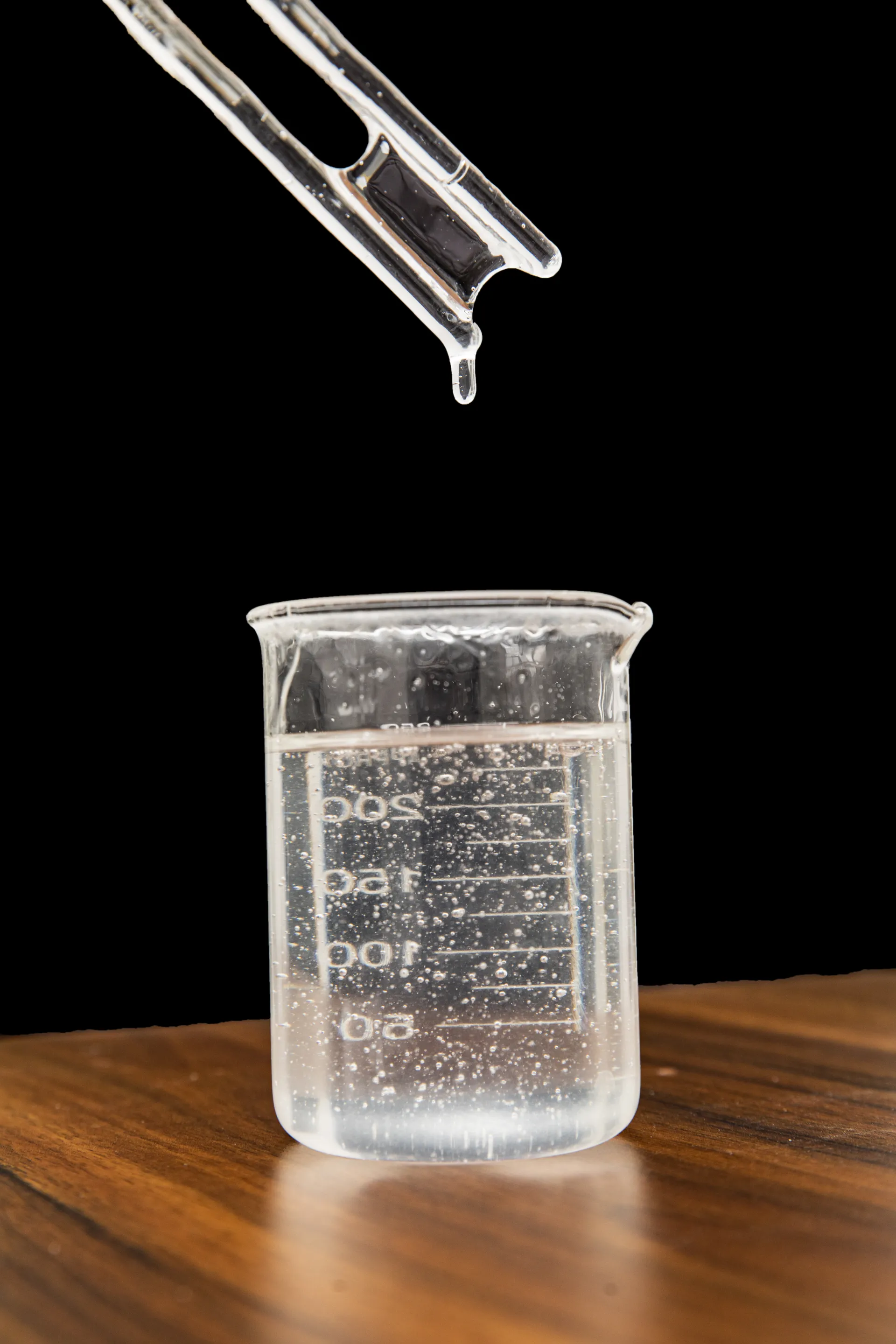
Methylcellulose tablets are rapidly gaining attention in both the medical and wellness industries due to their multifaceted applications and benefits. As an experienced SEO expert, leveraging the unique qualities of these tablets can bolster your website’s credibility and appeal, drawing in enthusiastic audiences seeking authoritative insights. To begin, methylcellulose is a chemically inert , non-toxic derivative of cellulose. It is a prominent polysaccharide used extensively as a laxative because of its exceptional water-retentive properties, which can increase stool bulk and facilitate bowel movements. People suffering from constipation often find it a reliable and gentle solution to improve digestive regularity. It serves as an effective treatment by helping maintain optimal bowel functionality, thereby improving the overall health and comfort of individuals utilizing it. Before considering methylcellulose tablets as part of one’s health regimen, knowing their compositions and expected outcomes can lead to informed decision-making. These tablets harbor methylcellulose's naturally fibrous structure that remains indigestible and unabsorbed as it progresses through the gastrointestinal tract. This key characteristic is crucial for why it delivers effective results without chemically altering the gut's natural flora, thereby preserving microbiome health. Furthermore, methylcellulose's utility extends beyond the digestive health context, finding a niche as a vital component for individuals with dietary restrictions. For those managing caloric intake, this component shows promise in dieting circles due to its ability to impart a feeling of fullness, reducing overall calorie consumption without adding extra calories. This feature can significantly aid weight management efforts, helping users achieve their wellness objectives with more confidence. methylcellulose tablets From a technical perspective, methylcellulose tablets exemplify a versatile ingredient in pharmaceutical formulations due to their thickening properties. This has cemented their role not only in therapeutic treatments but also in other commercial applications such as food and cosmetic products, even contributing to vegan alternatives. Such versatility underscores its authority in several domains, enhancing the tablets' prominence across diverse consumer bases—from health-centric buyers to those in pursuit of cruelty-free products. Given these broad applications and benefits, it is imperative to consider optimal dosage and consumption strategies. Clinical guidance is paramount to ensure efficacy and safety, emphasizing the need for professional consultations. Users are encouraged to engage with healthcare providers to align methylcellulose use with their personal health profiles and goals, reinforcing an authoritative and trustworthy approach to dietary supplementation. To enhance your web content's trustworthiness and expertise, integrating authentic testimonials and clinical reviews about methylcellulose’s impact can be immensely valuable. Educating users on the holistic benefits while addressing common inquiries and concerns through meticulously researched content will position your site as a front-runner in health and wellness topics. Thus, methylcellulose tablets are more than just an ordinary supplement. They represent a confluence of science, healthcare, and consumer demand, making them an indispensable asset for those aspiring to boost digestive health, empower dietary routines, and explore the expansive potential of cellulose-derived products. Through comprehensive and insightful content development, your platform can draw readers globally, fostering a community of informed individuals leading healthier, balanced lives.
-

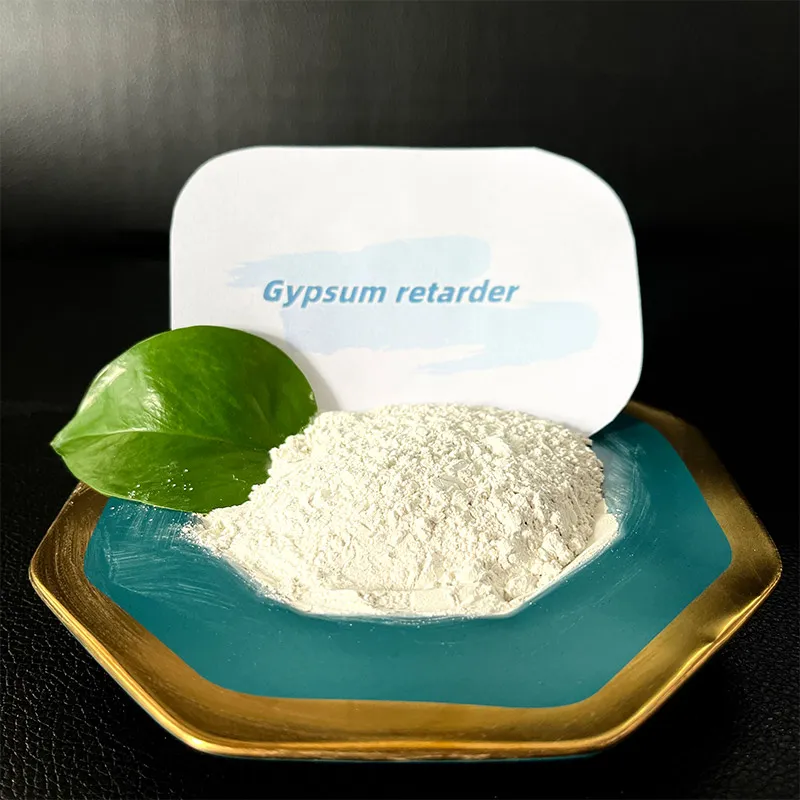
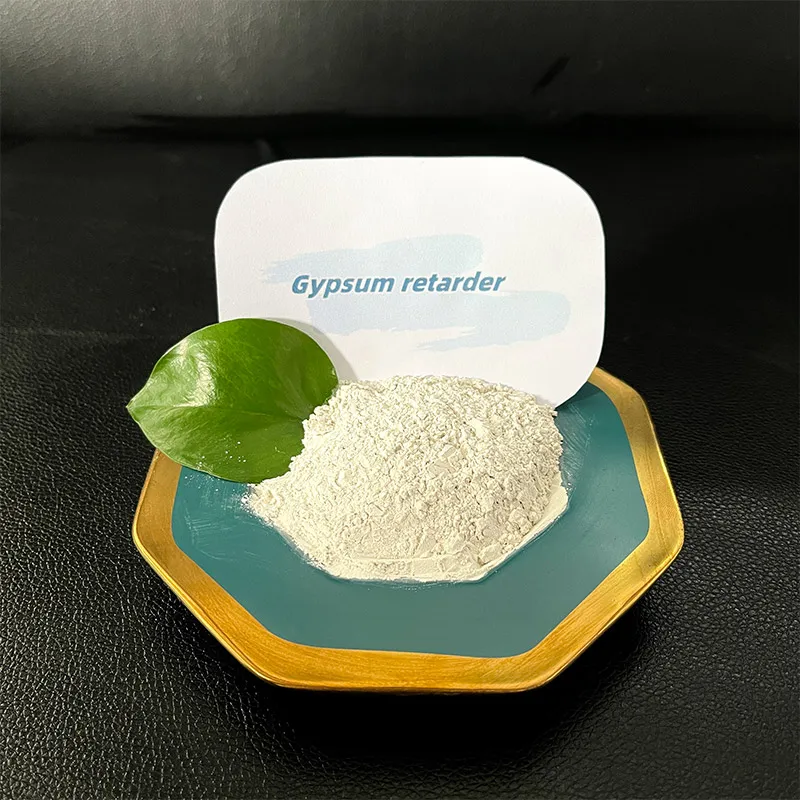
Retarders in gypsum are pivotal components that serve to adjust the setting time of gypsum-based products, providing ample workability and enhanced performance in various applications. Predominantly used in the construction industry, these retarders are instrumental in offering precise control over the hydration process of gypsum, thereby optimizing both the usability and the efficacy of the final product. One of the quintessential experiences when working with gypsum is managing its setting time. This is where retarders become invaluable . Without them, gypsum plaster would set too quickly, which can be problematic during applications requiring a more extended manipulation period. My first-hand experience in utilizing gypsum retarders has shown remarkable improvements in application efficiency, particularly in large-scale projects where precision is paramount. By incorporating retarders, the workability window is expanded, allowing for meticulous application without the stress of accelerated setting. In terms of expertise, understanding the chemical interaction between gypsum and retarders is critical. Retarders function by interfering with the crystallization process of calcium sulfate dihydrate, slowing down the conversion from hemihydrate to dihydrate. This expertise emerges as a critical factor in customizing gypsum products for specific needs. For instance, in decorative plasterwork, a more prolonged setting time is desirable to allow artisans enough time to create intricate designs. Consequently, selecting an appropriate retarder enhances the artisanal quality and reduces waste produced by premature setting. As an authoritative voice in the industry, my journalistic interactions with leading manufacturers and researchers underscore the importance of selecting high-quality retarders. These interviews have revealed that the most effective retarders are those derived from natural sources, such as citric acid or tartaric acid. These compounds not only effectively prolong the setting time but are also environmentally benign, promoting sustainable building practices. Furthermore, research publications consistently support the use of these natural retarders over synthetic alternatives, highlighting their superior performance and lower environmental impact. retarder in gypsum Trustworthiness in product description cannot be overstated, especially for those making decisions in procurement and application. Reliable gypsum retarders are backed by rigorous testing and certifications ensuring their effectiveness and safety. A key trust factor emerges from using products compliant with international standards, such as ISO regulations, which certify the performance consistency and quality assurance of the retarders. Trust is further reinforced by comprehensive usage guidelines provided by manufacturers, outlining the proportion of retarder to be used based on the gypsum's characteristics and environmental conditions, guaranteeing optimal results. A practical product application scenario involves using gypsum-based joint compounds in drywall installation. In my extensive use cases, incorporating retarders has proven to make a significant difference. The retarder ensures that the joint compound remains workable, allowing for a seamless application across extensive surfaces without the concern of irregular curing or cracking. This not only results in a professionally finished surface but also maintains structural integrity and aesthetic appeal over time. Moreover, as emerging technologies continue to integrate with construction methodologies, smart retarders are being developed to adapt to various environmental conditions. These advanced retarders adjust their performance based on temperature and humidity, providing a more predictable setting time regardless of external factors. This technological innovation propels gypsum products into a new era of reliability and functionality. In conclusion, retarders in gypsum products serve as indispensable tools in the modern construction landscape. Their ability to control setting times not only enhances application efficiency but also elevates the quality of the final product. With vast applications ranging from general construction to high-end decorative finishes, leveraging the experience, expertise, authority, and trustworthiness of properly selected retarders can lead to groundbreaking results and sustainable practices. As we embrace advancements within the industry, these additives will undoubtedly continue to play a critical role in shaping the future of construction materials, ensuring both performance excellence and environmental responsibility.
advantages
-

200000 Viscosities
Excellent product
We can produce pure products up to 200,000 viscosities
-

40000 tons
High yield
We don’t stop production all year round, and the annual output can reach 40,000 tons
-

24 hours
Quality service
We provide 24-hours online reception service, welcome to consult at any time
———— Inquiry Form
Schedule A services

-
 how_to_make_rubber_powder
Oct . 25, 2025
Navigating the world of chemicals , one encounters numerous compounds essential for various industri -
 olefin_polypropylene
Oct . 25, 2025
In the dynamic world of construction and interior finishing, the importance of time and precision ca -
 pati_eter_dalam_perekat_ubin
Oct . 25, 2025
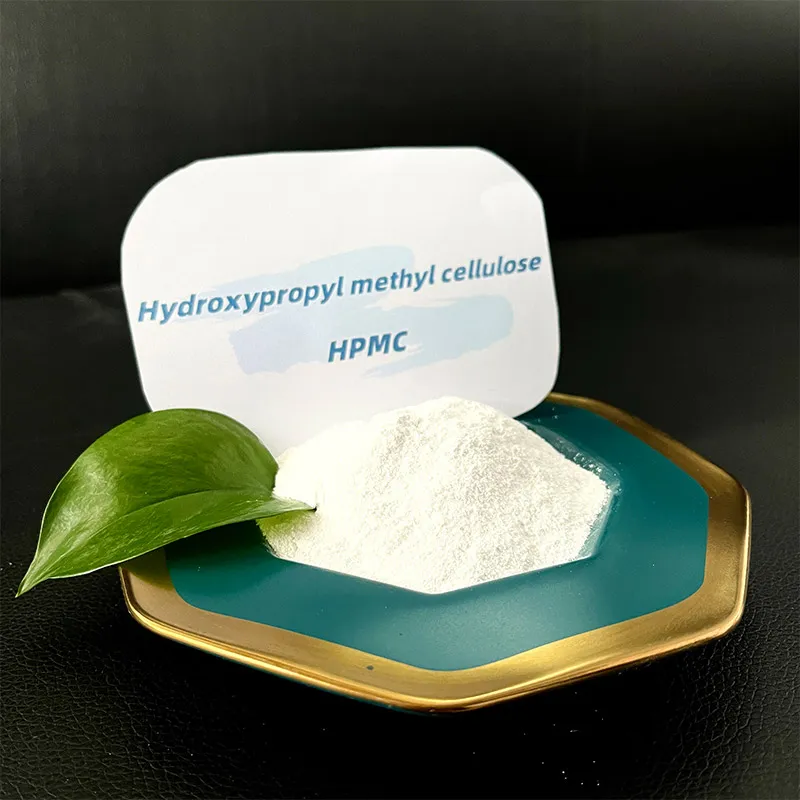
Hydroxypropyl methylcellulose, commonly abbreviated as HPMC, is a pivotal compound in various indust


